
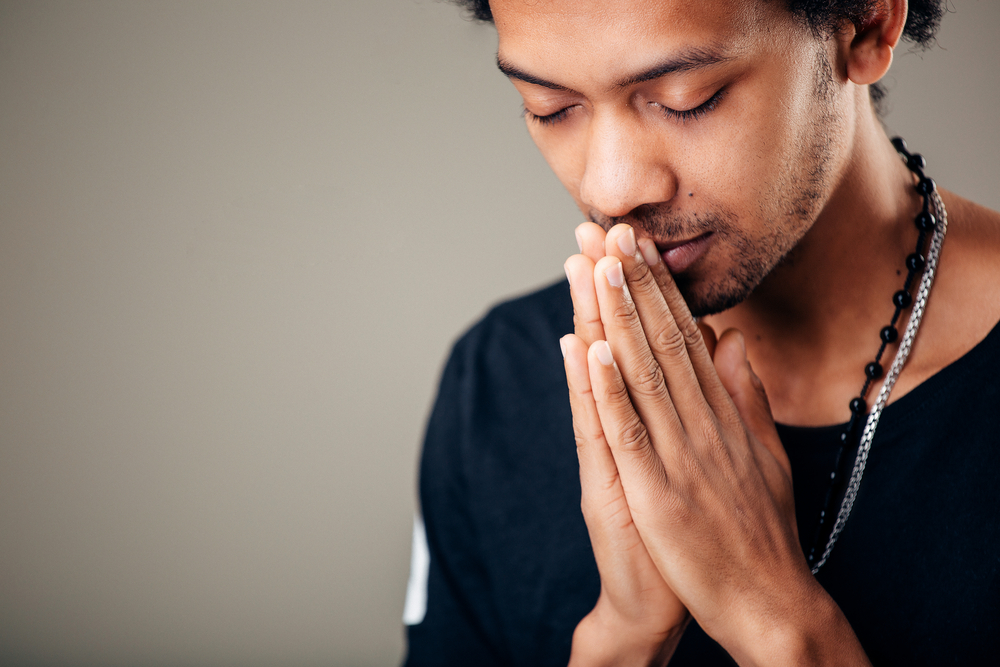

Life can often feel overwhelming. Anxiety creeps in silently. Stress builds quietly in the corners of the mind. Loneliness can weigh heavily, and the demands of family, work, and adjusting to a new culture can make the heart feel exhausted. Many people in the diaspora carry these invisible burdens every day, navigating a world that often does not see the depth of their struggle.
In the midst of these challenges, many people search for comfort, hope, and a way to reconnect with their inner strength. One powerful and often overlooked tool is prayer. The healing power of prayer reaches beyond religious practice. It offers a quiet space for reflection, a connection to something larger than oneself, and a gentle reminder that you are not alone.
This article explores how prayer can support mental health, emotional balance, and overall well-being. It is written in a warm and compassionate tone, as if you are sitting with a caring therapist who understands your pain and wishes to guide you toward healing.
Understanding the Connection Between Prayer and Mental Health
Prayer is not only a spiritual act. It is a deeply human practice that helps anchor the mind and calm the spirit. Scientific studies increasingly show that spiritual practices, including prayer, can support emotional resilience, reduce stress, and improve overall mental well-being. According to research published by the National Institutes of Health, regular spiritual practice can lead to lower levels of anxiety, improved coping skills, and a stronger sense of purpose in life.
For those facing emotional burnout, cultural adjustment difficulties, or family pressures, prayer can serve as a form of emotional release. It creates a safe and private space to express fears, hopes, gratitude, and concerns. The act of speaking or silently acknowledging these emotions can lighten the weight that often feels unbearable.

Emotional Challenges That Prayer Can Support
Many clients who come to Diaspora Therapies share similar struggles. Understanding these challenges helps highlight how prayer and spiritual reflection can support healing.
Anxiety That Feels Unrelenting
Anxiety often manifests as racing thoughts, tension in the chest, restlessness, and fear of the unknown. Prayer allows a pause in the chaos. It encourages the mind to focus, breathe, and release worry to a higher power or to the safe space within oneself.
Stress From Daily Responsibilities
Balancing work, studies, family, and social expectations can be exhausting. Prayer provides a moment of calm amidst the busyness. It reminds individuals that they are human and that seeking peace is not selfish but necessary.
Loneliness in a Foreign Land
Migrating to a new country or living away from loved ones can create deep feelings of isolation. Prayer becomes a companion in these moments, offering solace and connection even when the physical presence of loved ones is not possible.
Family Pressures and Expectations
Family responsibilities often weigh heavily on individuals in the diaspora. Prayer offers an emotional outlet for expressing love, hope, and concerns. It also provides clarity and strength for navigating complex family dynamics.
Emotional Burnout
Continuous emotional strain can leave the heart weary. Prayer encourages reflection and self-care. It reminds individuals to nurture their own spirit while continuing to care for others.
How Prayer Supports Emotional and Mental Well-Being

Prayer is a versatile and personal practice. It can take many forms, from silent meditation to spoken words, from gratitude reflections to requests for guidance. Here are some ways prayer can help strengthen mental health.
Creating a Safe Emotional Space
Prayer allows individuals to express feelings without fear of judgment. Whether in the quiet of a room or in the stillness of a moment outdoors, prayer creates a sanctuary where emotions are acknowledged and honored.
Reducing Stress and Anxiety
The repetitive nature of prayer or meditation can calm the nervous system. It signals the body that it is safe, and the mind begins to relax. This physiological effect supports better emotional regulation and reduces tension in daily life.
Encouraging Reflection and Self-Awareness
Through prayer, individuals often find clarity about their thoughts, emotions, and life circumstances. It offers an opportunity to reflect on challenges and consider responses rather than reacting impulsively.
Fostering Hope and Purpose
Prayer nurtures hope, resilience, and a sense of meaning. It reminds individuals that they are part of something larger, that challenges are temporary, and that healing is possible.
Strengthening the Sense of Connection
Prayer can strengthen the connection to one’s inner self, to community, or to a higher spiritual presence. This connection reduces feelings of isolation and fosters emotional balance.
Practical Ways to Incorporate Prayer into Daily Life
Incorporating prayer into daily life does not require a complicated routine. Even a few minutes each day can have a profound effect on mental health.
Start With Gratitude
Begin by silently acknowledging three things you are grateful for. Gratitude shifts attention from stress to positivity and fosters emotional resilience.
Use Guided Reflections
Many apps and online resources offer guided prayers or meditations. These can help individuals focus their minds and deepen their spiritual practice.
Create a Dedicated Space
A quiet corner, a comfortable chair, or even a small area with meaningful objects can become a personal sanctuary for prayer and reflection.
Combine Prayer With Mindful Breathing
While praying, focus on your breath. Slow, deep breathing enhances relaxation and reinforces the emotional benefits of prayer.
Set a Consistent Time
Consistency strengthens the habit and helps integrate prayer into daily routines. Even five minutes in the morning or evening can provide a sense of grounding and calm.
Why Support Matters While Using Prayer for Mental Health
While prayer is powerful, it is important to remember that it is not a substitute for professional mental health support when needed. Emotional wounds, trauma, and chronic anxiety sometimes require guidance from trained therapists. Diaspora Therapies offers a unique approach that blends emotional, cultural, and spiritual support to help individuals achieve long-term well-being.
How Diaspora Therapies Supports Mental Health Through Compassionate Care
Diaspora Therapies provides personalized, culturally sensitive, and holistic support for individuals navigating emotional and mental health challenges. Here is how they make a difference:
Personalized Therapy Sessions
Every session is tailored to the individual’s emotional needs, life circumstances, and personal goals. This approach ensures that therapy is relevant and effective.
Culturally Sensitive Care
Therapists at Diaspora Therapies understand the unique experiences of living in a foreign culture. They honor cultural values, beliefs, and family dynamics while providing empathetic support.
Experienced and Empathetic Therapists
Clients are met with kindness, understanding, and a safe space to express their emotions without fear of judgment.
Holistic Support
Therapy incorporates emotional, spiritual, and relational aspects to address the whole person, ensuring long-term mental and emotional well-being.
Commitment to Long-Term Well-Being

The focus is on sustainable healing, personal growth, and emotional resilience, rather than short-term relief.
For more details, we have a detailed article on spiritual counseling.
Returning to Inner Peace Through Prayer and Support
Life may continue to bring challenges, stress, and uncertainty, but you do not need to face them alone. The healing power of prayer offers a quiet sanctuary for your spirit, a source of hope, and a path toward emotional balance. Combined with professional support from compassionate therapists, prayer becomes a tool to strengthen mental health, foster resilience, and nurture your soul.
You deserve moments of peace, clarity, and self-care. You deserve guidance and understanding. You deserve a life where emotional and mental well-being are not distant dreams but lived realities. Through prayer, reflection, and compassionate support, healing is possible.
Diaspora Therapies stands ready to walk beside you, providing culturally sensitive care, holistic support, and unwavering empathy. You are worthy of peace, love, and emotional freedom.
FAQs
Q1: How does prayer support mental health?
Prayer provides a calming and reflective space that reduces stress and nurtures emotional resilience.
Q2: Can prayer help with anxiety and emotional burnout?
Yes, prayer helps soothe the mind, create inner peace, and foster emotional balance.
Q3: Why do diaspora communities face unique mental health challenges?
Cultural adjustment, family pressures, and emotional isolation often make stress and anxiety more intense.
Q4: Should prayer replace professional therapy?
No, prayer complements therapy, and professional guidance is important for long-term emotional well-being.
Discover more from Diaspora Therapies
Subscribe to get the latest posts sent to your email.